
The Psychology of Gambling
The psychology of gambling plays a pivotal role in understanding why casinos succeed based on player behavior. Players often engage in games that evoke excitement and stimulate their emotions, leading to a state where rational decision-making takes a back seat. This emotional engagement fosters impulsive betting behaviors, which casinos capitalize on by creating environments filled with vibrant lights, captivating sounds, and an overall atmosphere of thrill. Additionally, for those looking for quick payouts, the ontario online casino fast withdrawal options can enhance the gaming experience. By tapping into these psychological triggers, casinos can keep players returning, continuously seeking that elusive high associated with big wins, making it a core aspect of their success.
Moreover, the principle of loss aversion significantly influences player behavior within casinos. Players often exhibit a stronger desire to avoid losses than to pursue potential gains. This psychological tendency means that even after losing money, a player may continue betting in an attempt to recover their losses. Casinos leverage this behavior through strategic game design and layouts that encourage players to stay longer, all while hoping to recoup their lost funds. Such insights into player psychology allow casinos to craft experiences that keep players engaged and, ultimately, spending more money.
Additionally, social dynamics play a crucial role in enhancing player retention. Many casinos offer games designed for group play, fostering social interaction among players. This social component not only enhances the enjoyment of the experience but also influences behavior, as individuals often feel a sense of community and camaraderie. These dynamics create an environment where players are more likely to continue participating, feeling part of a collective experience that enhances their overall enjoyment and willingness to spend money, thus contributing to the casino’s thriving success.
Incentives and Loyalty Programs
Casinos utilize a variety of incentives and loyalty programs to attract and retain players, deeply intertwined with player behavior. These programs often reward players for their spending, fostering a cycle that encourages more frequent gambling at higher stakes. For instance, players may earn points for every dollar wagered, which can later be redeemed for free play, dining experiences, or accommodations. This not only enhances the overall gaming experience but also cultivates a sense of loyalty, as players perceive that their contributions are acknowledged and rewarded, increasing their likelihood of returning.
Loyalty programs are also tailored to cater to individual player preferences, allowing casinos to gather valuable data on player behavior. This data-driven approach equips casinos to personalize their strategies, ensuring that the incentives offered align with what players find enticing. By understanding the specific habits and preferences of their clientele, casinos optimize their offerings, thereby maximizing player engagement and spending. Such strategic approaches effectively cultivate an environment where players feel valued and are more inclined to return, enhancing overall profitability.

Furthermore, the psychological phenomenon known as FOMO, or fear of missing out, serves as a potent motivator in gambling behavior. When players encounter opportunities to gain rewards or participate in limited-time promotions, they often feel compelled to act quickly. Casinos exploit this urgency by designing time-sensitive offers that are hard to resist, leading to increased betting activity as players rush to capitalize on these promotions. The combination of loyalty programs and FOMO creates a compelling mix that drives players to engage more deeply with gaming activities, significantly boosting revenue for the casino.
The Role of Game Design
The design of casino games significantly impacts player behavior and the overall success of casinos. Game mechanics, including the concept of near-misses, are intentionally crafted to generate excitement and maintain engagement among players. For instance, when a player comes close to winning but ultimately does not receive a prize, they may perceive that a win is imminent. This design technique keeps players motivated, encouraging them to continue playing under the belief that success is just around the corner. Such psychological tactics are essential in fostering a gambler’s hopeful mindset and increasing time spent at the casino.
Moreover, the diverse levels of risk associated with various games cater to a broad spectrum of player preferences. Some players may lean towards high-stakes games with the potential for substantial payouts, while others are more attracted to low-stakes games that offer a casual experience. This range of options enables casinos to appeal to a larger audience, accommodating different risk appetites and ensuring that everyone, from high rollers to casual gamblers, finds something appealing. By maximizing the diversity of game offerings, casinos can enhance their attraction and profitability.
Finally, the integration of technology in game design has transformed the casino experience. With the rise of online casinos and mobile gaming, players can now engage with their favorite games anytime and anywhere. This convenience has expanded the accessibility of gambling, prompting players to indulge in their favorite pastimes more frequently. Online platforms also feature unique elements such as live dealers and interactive components that replicate the casino experience, ensuring high levels of player engagement. Such innovations not only elevate player satisfaction but also contribute to the sustained success of casinos in a highly competitive market.
The Impact of Environment and Atmosphere
The environment within a casino is meticulously crafted to enhance player behavior and encourage prolonged engagement. Factors such as lighting, music, and layout all contribute to creating an inviting atmosphere. Bright colors and flashing lights are specifically designed to capture attention and evoke excitement, while carefully selected soundtracks can enhance emotional responses and make games more enjoyable. These sensory experiences are not accidental; they are strategically designed to condition players to associate the casino with positive emotions, increasing the likelihood of repeat visits.
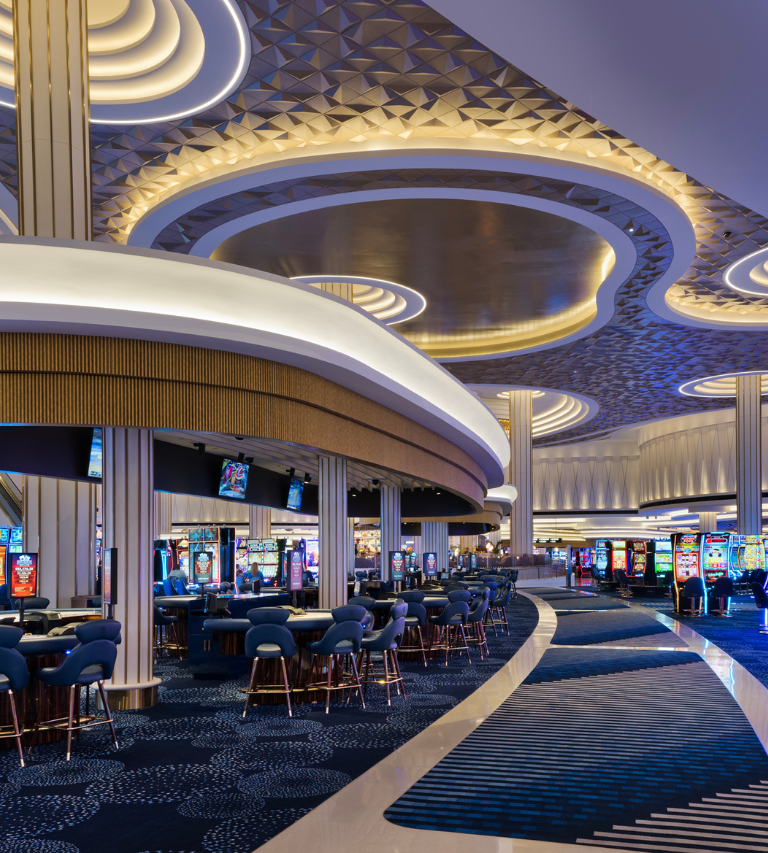
Additionally, the physical layout of casinos is often optimized to promote movement and exploration. Popular games are strategically placed in high-traffic areas to draw in potential players, while less popular options may be situated in quieter corners. This arrangement encourages players to wander through the casino, discover new gaming options, and ultimately engage more with the environment. The layout also supports social interactions, as players tend to congregate around popular tables, enhancing the communal atmosphere that many find appealing in a gambling context.
The overall experience is further enriched by the inclusion of amenities such as restaurants, bars, and entertainment options within casinos. By providing additional attractions, casinos can keep players on-site longer, leading to increased spending. For many players, the opportunity to enjoy various forms of entertainment alongside gambling enhances the overall experience, making it more likely they will indulge in extended gaming sessions. This multifaceted approach to casino design ensures that the player experience is immersive and rewarding, ultimately benefiting the casino’s bottom line.
The Importance of Understanding Player Behavior in the Digital Age
In the digital age, understanding player behavior has become increasingly vital for the success of casinos, particularly with the rise of online gaming platforms. Advanced analytics and tracking technologies enable casinos to collect extensive data on player preferences, tendencies, and habits. This data-driven approach allows casinos to create targeted marketing strategies, ensuring that their offerings resonate with specific audience segments. By leveraging insights from player behavior, casinos can optimize their services and enhance player retention, which is crucial for standing out in a crowded online marketplace.
The challenge lies in adapting to the rapidly evolving landscape of player expectations. Today’s players are more informed and have a plethora of options at their disposal. Casinos must stay ahead by offering innovative features, attractive bonuses, and engaging experiences that encourage players to return. The ability to quickly analyze and respond to these shifts in player behavior is essential for maintaining a competitive edge. By fostering a culture of continuous improvement and responsiveness, casinos can ensure long-term success in this dynamic environment.
Ultimately, understanding player behavior and preferences transcends mere marketing tactics; it involves creating a holistic experience that addresses the emotional and social needs of players, whether in physical establishments or online. Casinos that effectively integrate these insights into their operational strategies are better positioned to thrive, ensuring they meet and exceed the expectations of their clientele. As the gaming industry continues to evolve, this focus on player behavior will remain a cornerstone of successful casino operations, shaping their future endeavors.
